Why Lizards Enter Homes and How to Prevent Future Intrusions
People seeking lizard removal are typically looking to eliminate lizards from their homes and prevent future intrusions, and local service providers can help with safe, effective solutions.
Many property owners find themselves puzzled by the presence of lizards inside their homes. These small creatures often enter in search of warmth, shelter, or food sources, especially during certain seasons or when environmental conditions change. Understanding why lizards enter homes and how to prevent future intrusions is a common concern for those looking to maintain a comfortable and pest-free living space. Exploring practical solutions can help reduce the likelihood of these unexpected visitors and create a more secure environment. Local service providers specializing in lizard removal can offer targeted advice and effective strategies to address these issues, ensuring that property owners feel confident in managing and preventing future intrusions.
Addressing the reasons behind lizard entry and implementing preventative measures can be straightforward with the help of experienced local contractors. They can assist with identifying entry points, sealing gaps, and making structural adjustments that discourage lizards from entering. By understanding the habits and preferred habitats of these reptiles, property owners can take proactive steps to minimize their presence. Keep reading to discover more about the common reasons lizards come inside and how local pros can support efforts to keep homes lizard-free, offering peace of mind and a more comfortable living environment.
- Lizard removal services are often needed when homeowners notice lizards inside their living spaces and want to eliminate them safely. Local contractors typically assess entry points and provide sealing solutions to prevent future intrusions. When seeking to understand why lizards enter homes and how to prevent future visits, professionals can identify and address attractants like food sources and hiding spots. These services often include habitat modification advice to reduce appealing environments around the property. Contacting experienced service providers can help develop effective strategies to keep lizards out permanently.
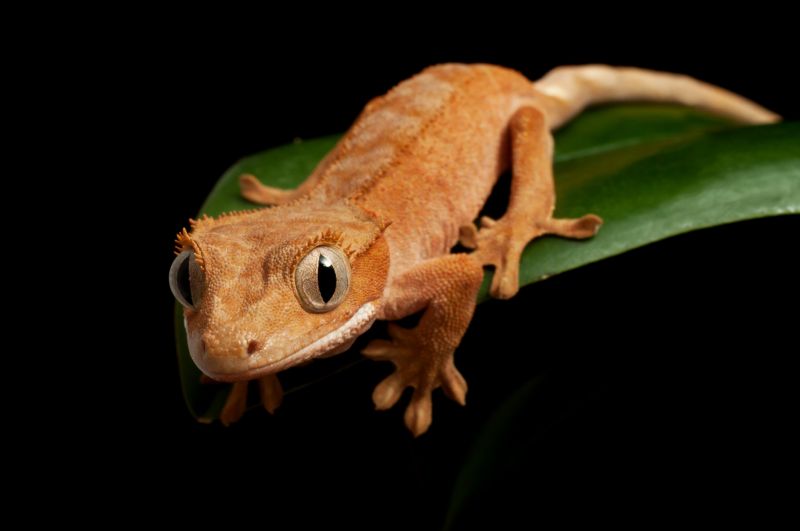
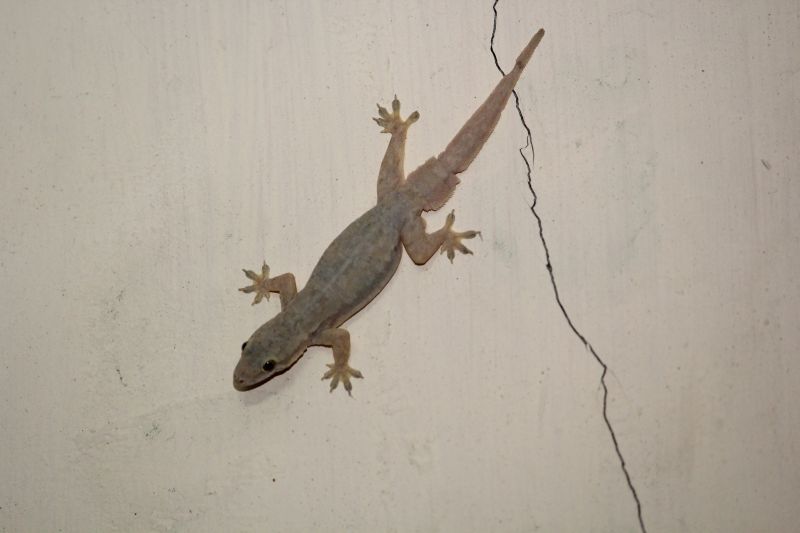
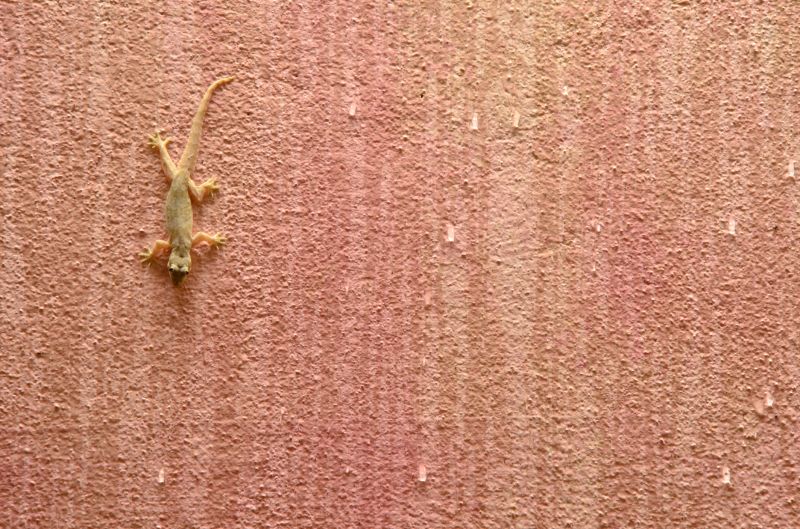
When people search for why lizards enter homes and how to prevent future intrusions, they are often looking to understand the reasons behind these visits and find practical solutions to keep these reptiles outside. Many homeowners notice lizards around windows, doors, or inside living spaces and want to know what attracts them. Common concerns include preventing damage to property, avoiding the mess or potential health issues associated with lizard presence, and maintaining a comfortable, pest-free environment. This search reflects a desire to address an ongoing nuisance and to implement effective strategies that can reduce or eliminate future visits by these creatures.
The problems associated with lizard intrusions typically involve unwanted sightings in living areas, which can be unsettling for some residents. Property plans often focus on identifying entry points and understanding the environmental factors that draw lizards inside. For instance, properties with abundant vegetation close to the home, open gaps in walls or foundations, or cluttered outdoor spaces tend to be more susceptible. These issues are common in residential properties, especially in regions where lizards are naturally prevalent. Homeowners may also be considering modifications or repairs to prevent future intrusions, making this a relevant concern for those undertaking home improvement or pest-proofing projects.
Properties that frequently come up in discussions about lizard entry are usually single-family homes, especially those with yards or gardens. Homes with easy access points like gaps around doors, unscreened vents, or cracks in the foundation are more vulnerable. Additionally, properties with nearby shrubbery, woodpiles, or debris can attract lizards, as these environments provide shelter and food sources such as insects. Commercial properties with outdoor landscaping or storage areas may also experience similar issues. Understanding the specific features of a property helps homeowners and service providers develop tailored approaches to prevent future lizard intrusions effectively.
Local service providers who specialize in lizard removal and exclusion can play a key role in addressing these issues. They typically assess the property to identify entry points and environmental attractants, then recommend or perform sealing, repairs, and habitat modifications. These professionals can also advise on how to reduce insect populations that serve as lizard food, further decreasing the likelihood of future visits. For homeowners, working with experienced contractors ensures that the solutions are practical and durable, making it easier to maintain a lizard-free living space. Connecting with local pros provides a targeted approach to solving the problem and preventing future intrusions in a way that fits the specific needs of each property.
Home sealing projects - these involve identifying and sealing entry points to prevent lizards and other pests from entering homes, similar to strategies used in lizard intrusion prevention.
Pest-proofing services - professionals help secure homes against various unwanted animals, which aligns with preventing lizard intrusions through habitat modification.
Exterior repair and maintenance - fixing cracks, gaps, and weak points in the building’s exterior is essential for blocking lizard access, mirroring the planning involved in intrusion prevention.
Yard and landscape modification - adjusting vegetation and outdoor features to reduce hiding spots for lizards parallels the environmental considerations in lizard entry prevention.
Screen and barrier installation - installing mesh screens and barriers helps keep lizards and other pests out, similar to the physical exclusion methods in lizard prevention.
Rodent proofing services - these involve securing homes against small animals, which shares techniques used to prevent lizard entry through structural vulnerabilities.
When comparing service providers for lizard removal and prevention, it’s important to consider their experience with similar projects. Homeowners should look for local contractors who have a proven track record in addressing issues related to lizard intrusions and habitat modifications. An experienced professional will understand common entry points, such as gaps or cracks, and be familiar with effective exclusion techniques. This familiarity can help ensure the job is handled thoroughly and efficiently, reducing the likelihood of future intrusions.
Clear written expectations are essential when evaluating potential service providers. Homeowners should seek detailed descriptions of the services offered, including the scope of work related to identifying entry points, sealing gaps, and providing advice on habitat modifications. Having a written outline helps prevent misunderstandings and ensures that both parties are aligned on what will be done to address why lizards enter homes and how to prevent future issues. Reputable contractors will be transparent about their methods and what homeowners can expect from the process.
Good communication and reputable references are key indicators of a reliable local contractor. Homeowners are encouraged to ask for references or reviews from previous clients who had similar lizard intrusion problems. This feedback can provide insights into the contractor’s professionalism, responsiveness, and effectiveness. A service provider who communicates clearly and promptly, and who can provide credible references, is more likely to deliver a positive experience and satisfactory results when it comes to lizard removal services.
Property owners often search for why lizards enter homes and how to prevent future intrusions when they are planning practical projects around their homes and businesses. Local pros provide Lizard Removal services for everyday jobs and straightforward project options.
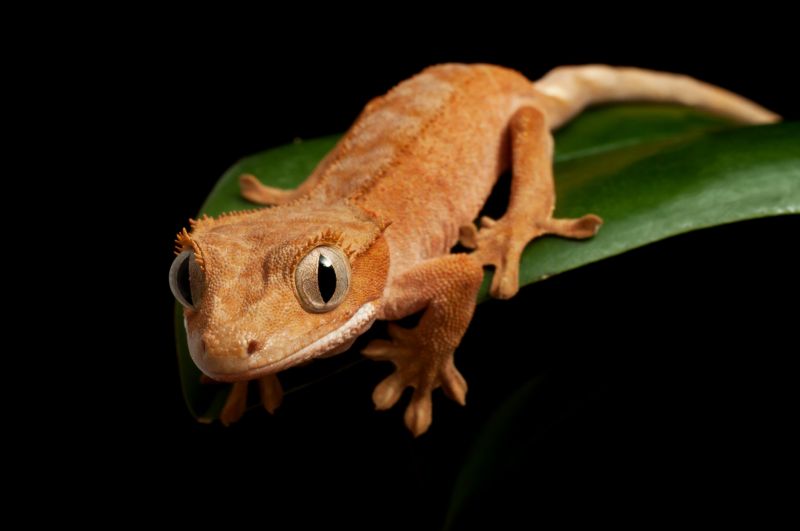
Lizards often find their way into homes during warmer months when they seek shelter, food, or a more comfortable environment. Common reasons for these intrusions include gaps or cracks in the foundation, unscreened vents, or openings around windows and doors. Property owners in the area might look up this topic after noticing lizards in their living spaces or around their exteriors, especially if they want to prevent future visits. Local contractors who specialize in lizard removal can assess the property to identify entry points and recommend simple, effective measures to close these gaps, helping to keep lizards outside where they belong.
Preventing future intrusions involves a combination of basic home maintenance and strategic barriers. Property owners often consider lizard removal services when they want professional advice on how to secure their homes against unwanted guests. Local service providers can offer solutions such as sealing cracks, installing screens, and removing attractants like insects that draw lizards inside. These steps not only help keep lizards out but also contribute to a cleaner, more comfortable living environment. Connecting with local contractors experienced in lizard prevention can be a practical way to address ongoing concerns and maintain a pest-free home.
Why do lizards enter homes? Lizards often enter homes in search of food, warmth, or shelter, especially if there are gaps or openings in the building's exterior. Local contractors can identify and seal entry points to prevent future intrusions.
How can I prevent lizards from entering my house? Preventing lizards involves sealing cracks, removing clutter, and reducing insect populations that attract them. Local service providers can assist with effective exclusion methods to keep lizards out.
What are common entry points for lizards? Common entry points include gaps around doors and windows, vents, and holes in walls or foundations. Professionals can inspect and seal these vulnerabilities to block lizard access.
Are there specific areas where lizards tend to hide inside homes? Lizards often hide in dark, warm, and cluttered areas such as behind appliances, inside cabinets, or in basements. Local experts can help identify and remove these hiding spots to discourage their presence.
How do local contractors handle lizard removal and prevention? Service providers typically perform inspections, seal entry points, and recommend habitat modifications. They can also advise on ongoing maintenance to reduce the likelihood of future lizard intrusions.
Identify common entry points - inspecting doors, windows, and foundation cracks helps property owners understand where lizards may enter and how local contractors can seal these gaps effectively.
Maintain yard and landscaping - trimming bushes and removing debris near the home reduces lizard habitats, with local pros offering guidance on landscape adjustments.
Install barriers and screens - applying mesh or weatherstripping around vents and openings can prevent lizards from gaining access, with service providers assisting in proper installation.
Implement ongoing exclusion measures - regular inspections and sealing of potential entry points help keep lizards out, supported by local contractors experienced in lizard prevention.
If you are thinking about why lizards enter homes and how to prevent future intrusions for a property, this guide is meant to help you understand this topic, the typical project types, and how different options might fit your plans.
When you are ready, you can use the quote form on this page to share a few details about your project. From there, local pros can review the basics and follow up with options that match what you have in mind.