Common Animals Removed by Professional Wildlife Control Services
Wildlife control services connect you with local contractors who can safely remove common animals like raccoons, squirrels, bats, and birds from your property.
Property owners in the area often encounter a variety of common animals that can find their way into homes, attics, garages, or other structures. These animals, which may include raccoons, squirrels, bats, or birds, can cause damage, create noise disturbances, or pose health concerns if not addressed promptly. Exploring professional wildlife control services is a practical step for those facing these issues, as experienced local contractors understand how to safely and effectively remove these animals and prevent future intrusions.
Understanding which animals are commonly removed by professional wildlife control services can help property owners take informed action when unwanted visitors appear. Local service providers are equipped to handle a range of wildlife challenges, offering humane removal methods and guidance on how to secure properties against re-entry. Keep reading to learn more about the types of animals often involved and how local experts can assist in resolving these common issues efficiently.
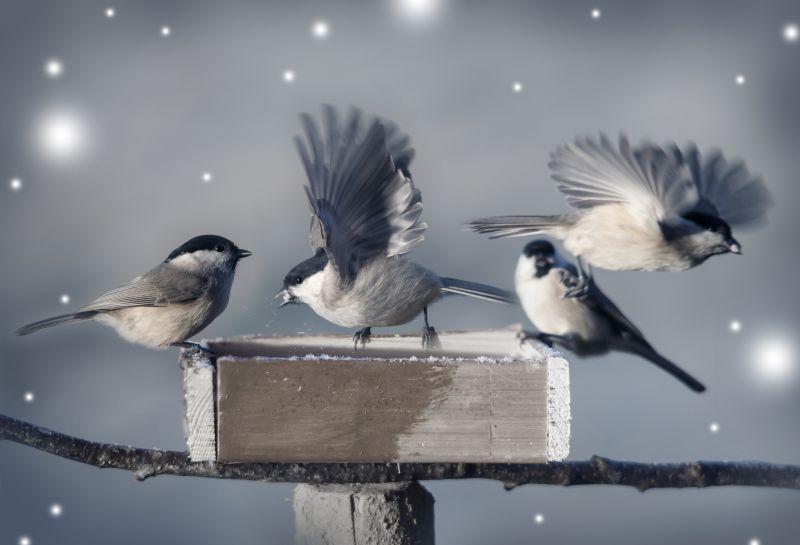
- Birds - individuals experiencing nesting or roosting issues may seek professional wildlife control services to safely remove and exclude common birds from their property.
- Raccoons - when raccoons invade attics or crawl spaces, local contractors can implement humane removal methods and secure entry points to prevent future visits.
- Squirrels - homeowners dealing with squirrels nesting in walls or chimneys often turn to local pros for effective removal and habitat exclusion.
- Bats - if bats are found roosting in eaves or attics, wildlife control specialists can perform humane removal and seal entry sites to protect the property.
- Skunks - when skunks dig under decks or invade yards, service providers can help with removal and recommend measures to deter future visits.
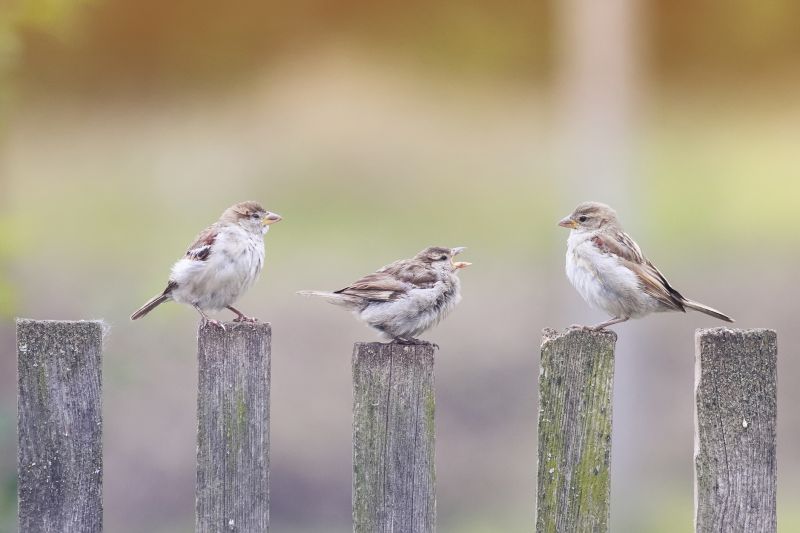
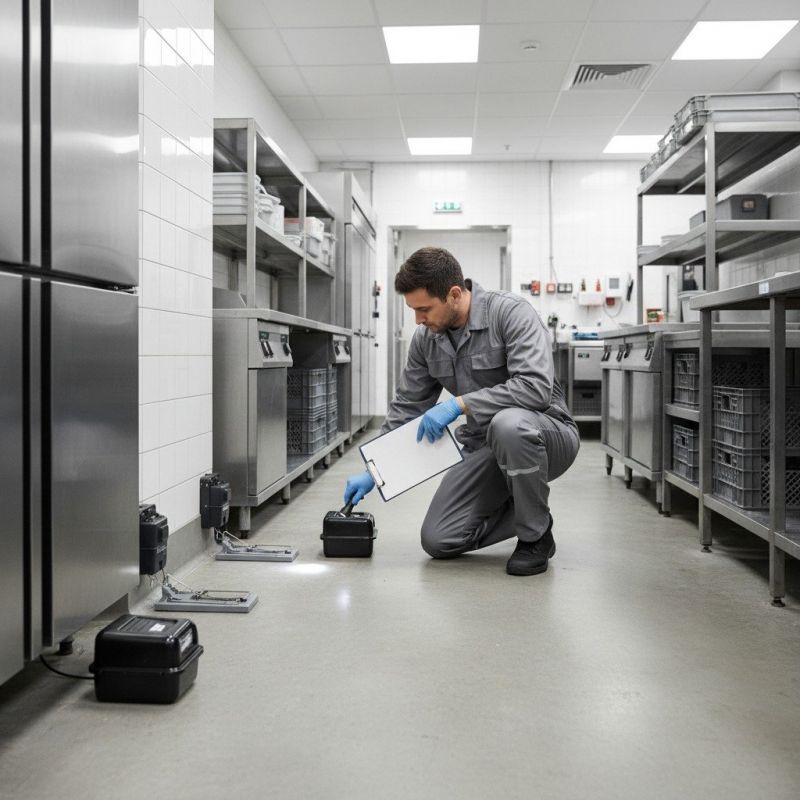
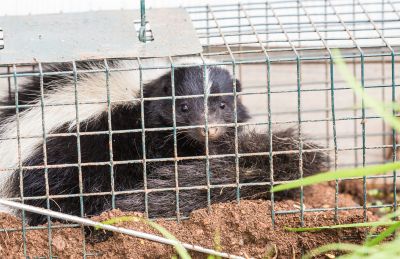
When people search for information about common animals removed by professional wildlife control services, they are often facing unexpected encounters or signs of animal presence on their property. These searches usually stem from concerns about animals gaining access to homes, attics, garages, or yards. Homeowners may notice noises at night, damage to insulation or wiring, droppings, or sightings of animals in or around their property. Understanding which animals are typically involved helps clarify the types of problems these professionals address and highlights the importance of timely removal to prevent further damage or health issues.
The problems associated with unwanted wildlife often involve animals seeking shelter, food, or water within or near residential and commercial properties. Many property owners plan to resolve issues related to animals that have entered their buildings or are causing disturbances in their yards. Common plans include humane removal, property exclusion, and prevention measures to keep animals from returning. Wildlife control service providers are equipped to handle a range of situations, from trapping and removal to sealing entry points, ensuring that the property remains protected from future intrusions by the same or different animals.
Properties that frequently encounter issues with common animals removed by professional wildlife control services tend to be residential homes, especially those with attics, basements, or garages. Rural properties, farms, and even urban neighborhoods can experience wildlife problems, particularly in areas with abundant natural habitats nearby. Structures with accessible openings, such as vents, chimneys, or gaps in siding, are more vulnerable to animal entry. These properties often require targeted exclusion work to prevent animals from returning after removal, making the role of local service providers crucial in addressing both the immediate problem and ongoing prevention.
The types of animals removed by professional wildlife control services vary depending on the region and environment, but some species are consistently common across many areas. These include bats, raccoons, squirrels, skunks, and birds such as starlings or pigeons. Each of these animals can cause specific issues, like structural damage, noise, or contamination, and may pose health risks. Local contractors are experienced in safely and humanely removing these animals and implementing exclusion strategies to protect properties. Understanding the typical animals involved helps homeowners recognize the importance of professional intervention and how local experts can assist in resolving wildlife-related concerns effectively.
Bird Control Projects - local contractors often handle bird exclusion and removal, which requires knowledge of nesting habits and safe removal techniques similar to wildlife animal removal.
Rodent Proofing Services - professionals use trapping and sealing methods comparable to wildlife control to eliminate rodents from structures and prevent future infestations.
Bat Removal and Exclusion - experts employ specialized techniques to safely remove bats and seal entry points, aligning with strategies used for removing other small wildlife animals.
Squirrel Removal and Prevention - local service providers use humane trapping and habitat modification to remove squirrels and prevent re-entry, similar to wildlife removal methods.
Skunk and Raccoon Removal - professionals deploy trapping and relocation techniques to handle larger nuisance animals, requiring planning similar to that used in wildlife control projects.
Animal Damage Repairs - contractors often perform repairs after wildlife removal, such as sealing entry points and restoring property, which complements the skills used in wildlife animal removal tasks.
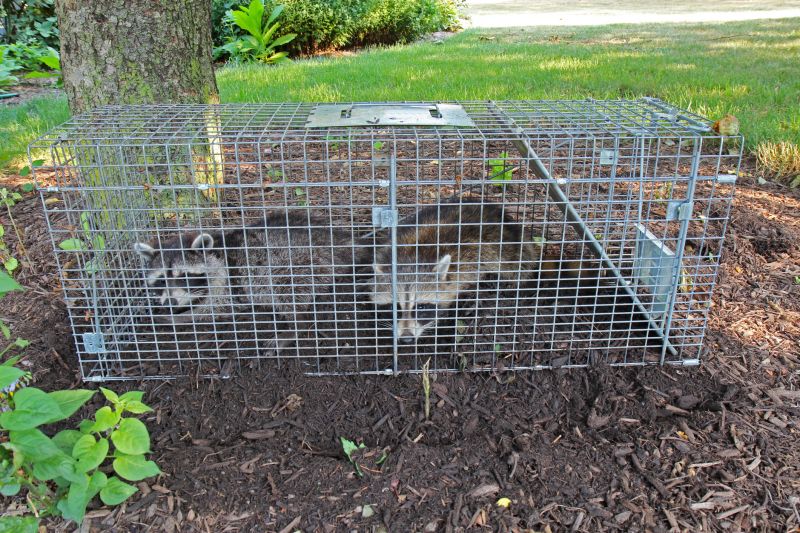
When evaluating wildlife control service providers for removing common animals, it’s important to consider their experience with similar projects. Experienced local contractors are more likely to understand the specific behaviors and habitats of animals such as raccoons, squirrels, bats, or birds, which can influence the effectiveness of removal strategies. Asking about their past work with wildlife of similar types and environments can provide insight into their familiarity with handling these animals safely and efficiently, helping to ensure the job is completed properly the first time.
Clear written expectations are essential when choosing a wildlife control service. A reputable local contractor should be able to provide a detailed scope of work, outlining what methods will be used, what areas will be affected, and what the homeowner can expect throughout the process. This transparency helps prevent misunderstandings and ensures everyone is aligned on the project’s goals. It’s also beneficial to request a written outline of any follow-up or prevention measures, so there are no surprises after the animals have been removed.
Good communication and reputable references are key factors to consider when comparing local service providers. Contractors who communicate clearly and promptly demonstrate professionalism and respect for the homeowner’s concerns. Additionally, seeking references or reviews from previous clients can give an idea of the quality of work and reliability. Reliable local pros will often be able to share examples of successful wildlife removal projects, especially those involving common animals like rodents or birds, and provide reassurance that they can handle the specific wildlife challenges faced on the property.
Property owners often search for common animals removed by professional wildlife control services when they are planning practical projects around their homes and businesses. Local pros provide Wildlife Control services for everyday jobs and straightforward project options.
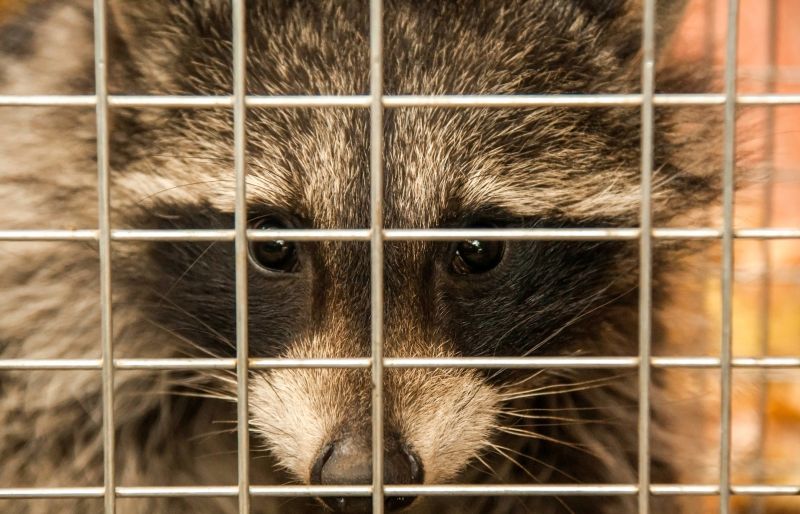
Many property owners in the area encounter situations where animals have found their way into attics, basements, or other hidden spaces, prompting concerns about potential damage or health risks. Common animals removed by professional wildlife control services include raccoons, squirrels, bats, and birds, which often seek shelter in residential and commercial properties. These animals can cause structural damage, create noise disturbances, or introduce droppings that may pose health hazards, making professional removal a practical solution for homeowners and business owners alike.
Local contractors experienced in wildlife control are equipped to handle these common animals safely and efficiently. They use humane methods to remove animals and prevent future intrusions, helping property owners resolve issues swiftly. Whether dealing with a raccoon in the attic or a colony of bats in the eaves, connecting with trusted service providers can ensure that the problem is addressed effectively, providing peace of mind and protecting the property from further damage.
What types of animals are commonly removed by professional wildlife control services? Common animals removed by professional wildlife control services include raccoons, squirrels, bats, skunks, and birds that have taken residence in or around properties.
Are rodents like mice and rats typically handled by wildlife control professionals? While rodents such as mice and rats are often managed by pest control specialists, some wildlife control providers also handle larger or non-rodent animals like raccoons and opossums.
Can wildlife control services remove animals from attic spaces? Yes, wildlife control services frequently assist with removing animals like bats, squirrels, and raccoons that have entered and settled in attic or roof spaces.
Do wildlife control professionals deal with animals that have become a nuisance in chimneys or vents? Yes, professionals can remove animals such as birds, raccoons, or bats that have nested in chimneys, vents, or other hard-to-reach areas.
What should I expect when hiring local wildlife control providers for animal removal? Local contractors typically handle the humane removal of common nuisance animals, inspect the property for entry points, and recommend measures to prevent future intrusions.
Identify common animals removed by professional wildlife control services - property owners can learn which animals are frequently handled by local contractors to better recognize signs of intrusion.
Assess property vulnerabilities for wildlife entry points - understanding typical access areas helps in planning preventative measures with local wildlife control providers.
Implement exclusion techniques to prevent animal re-entry - applying recommendations from local contractors can help keep common animals out of the property long-term.
Schedule regular inspections for wildlife activity - routine evaluations by wildlife control experts can detect early signs of common animal presence and prompt timely removal.
If you are thinking about common animals removed by professional wildlife control services for a property, this guide is meant to help you understand this topic, the typical project types, and how different options might fit your plans.
When you are ready, you can use the quote form on this page to share a few details about your project. From there, local pros can review the basics and follow up with options that match what you have in mind.